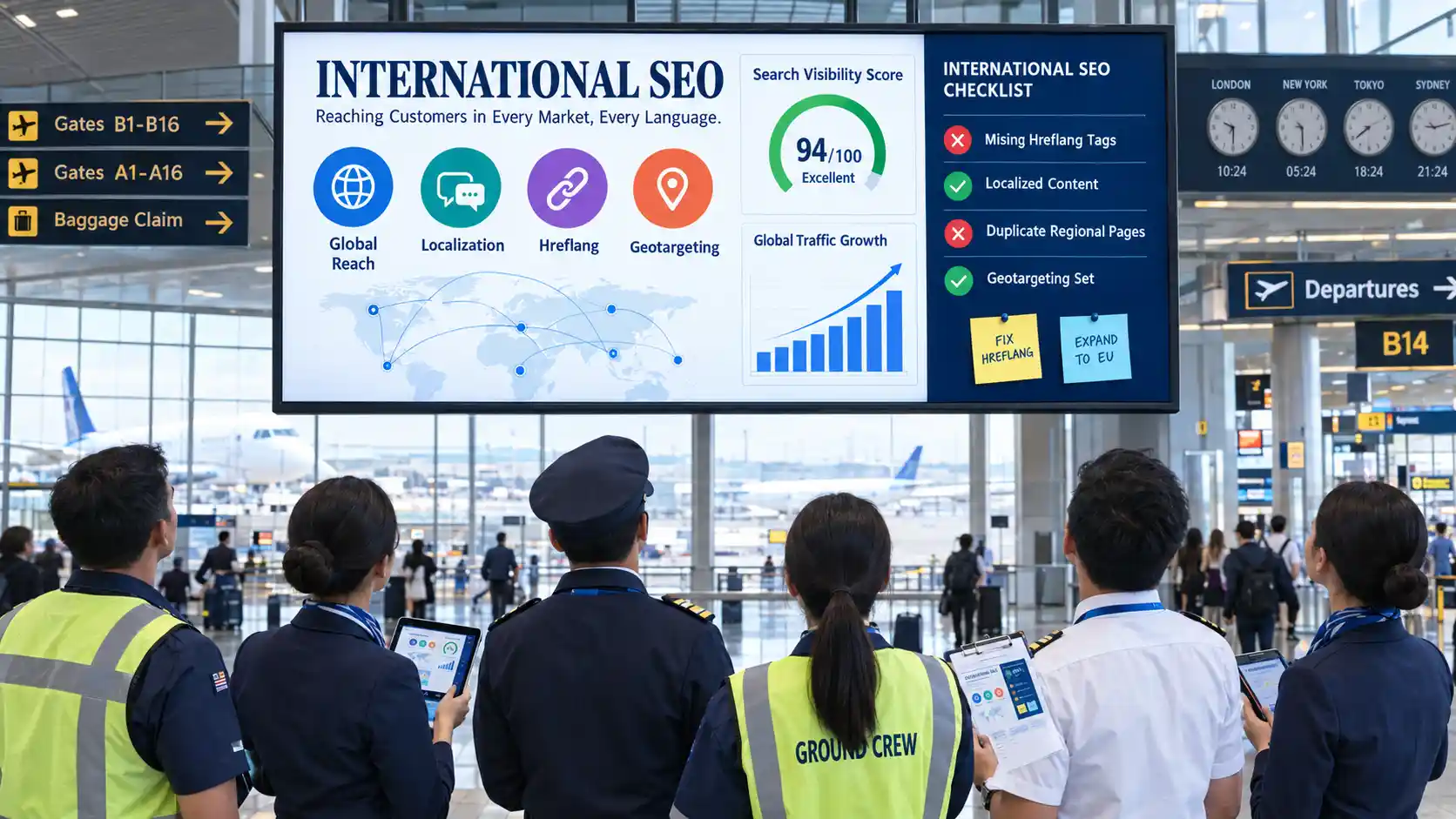
The Complete Guide of International SEO to Ranking in Global Markets
International SEO starts long before you translate a single page. It begins the moment you realise your best customer might be searching in a language you have never optimised for, in a country your analytics barely register, using a search engine you have never even opened. You built your website thinking about the market in front of you. But somewhere out there, someone is typing your exact solution into Google in French, or Yandex in Russian, or Baidu in Mandarin, and never finding you at all.
That gap is not a small technical oversight. It is potential revenue, potential trust, potential brand presence sitting untapped in markets you have not yet spoken to in their own language and their own search context. And the frustrating part is that most businesses only discover this gap after a competitor moves in first, translates their site, sets up proper targeting, and starts capturing the traffic that could have been yours.
I want to show you how to actually compete in those markets. Not just translating words on a page, but building something search engines respect and real people abroad feel comfortable clicking on.
What Is International SEO?
International SEO is the process of optimising your website so it ranks well in search engines across different countries and languages. It is not just about translating your content, though translation is part of it. It is about making sure Google, and every other search engine your audience actually uses, understands exactly which country and which language each version of your site is meant for.
Think of it this way. If someone in Tokyo and someone in Toronto both search for the same product, they are not typing the same words, using the same search engine preferences, or trusting the same signals. Your site needs to speak to both of them in a way that feels native rather than translated, and in a way search engines can confidently serve to the right person in the right place.
This is where things like hreflang tags, country targeting, and localised content all come together. None of them work in isolation. A perfectly translated page means very little if search engines cannot tell which audience it belongs to, and a technically flawless setup means nothing if the content itself does not resonate with the people reading it.
Why Is International SEO Important?
Here is the honest truth. If you are only optimising for one country, you are leaving money on the table, and probably more than you realise. The internet does not have borders, but search engines treat every country almost like its own separate playing field, and that gap between where you rank and where you could rank adds up fast. Here is why it matters so much.
- It reveals demand you cannot currently see
You cannot measure interest from a market you have never targeted. Once you start optimising for other countries and languages, you often discover that the appetite for your product or service was there all along, just waiting for someone to show up in a way that felt local and trustworthy. - It protects you from losing ground to competitors
If your competitors expand into new markets and you do not, they are not just gaining new customers. They are building brand recognition, backlinks, and authority in regions you have not touched yet, which makes it harder for you to catch up later. - It builds trust that a translated page alone cannot
When someone searches in their own language and lands on a site that clearly understands their currency, their cultural context, and their way of speaking, they are far more likely to convert. A site that feels foreign, even if the product is great, creates friction before the sale even has a chance to happen. - It multiplies the return on content you already have
Every pillar article, product page, or landing page you have already built can work harder for you once it is properly localised. You are not starting from zero in each new market. You are extending assets you already own.
How International SEO Works
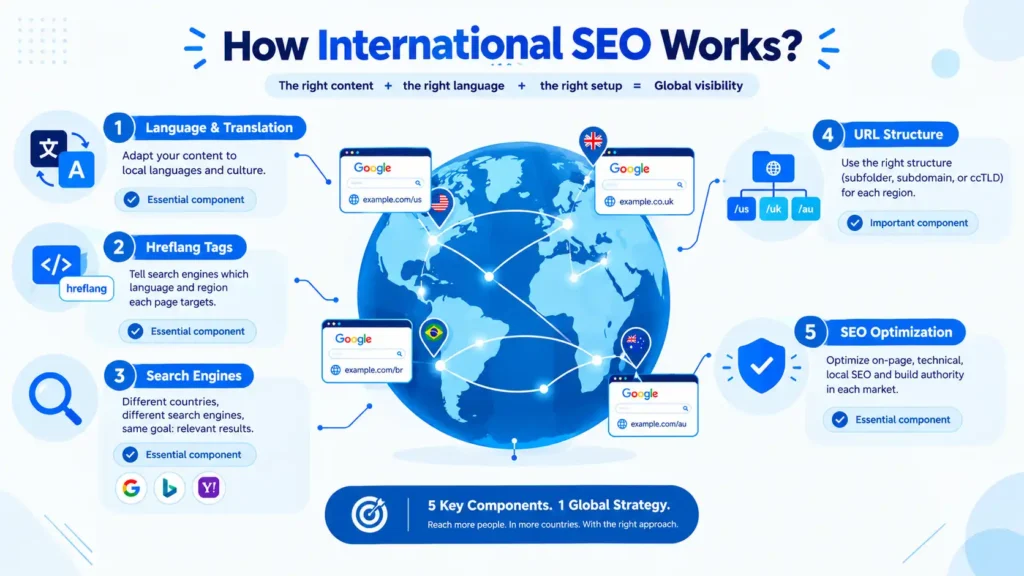
International SEO works by giving search engines clear signals about who each page on your site is for, so the right version shows up in front of the right person. It sounds simple, but underneath that idea sits a whole system of technical setup, targeting decisions, and search engine behaviour you need to understand before any of it actually works the way you want.
Hreflang Tags Explained
Hreflang is the tag that tells Google, hey, this page is meant for English speakers in Australia, and this other page is the same content but meant for English speakers in the United States. Without it, search engines are left guessing, and they often guess wrong, showing your AU page to someone in the US or vice versa.
The tricky part is that hreflang has to be implemented correctly on every single page that has an international counterpart, and it has to point back and forth consistently. One broken reference can quietly undo the whole setup, which is why so many sites think they have international SEO handled when really their hreflang tags are silently failing in the background.
Country vs Language Targeting
These two things get confused constantly, but they are not the same thing. Language targeting means you are speaking to people who use a certain language, no matter where they live. Country targeting means you are speaking to people in a specific location, regardless of what language they prefer.
You might need English content for the US, English content for Australia, and English content for a global audience that does not fit neatly into either. Each of those is a different targeting decision, and mixing them up is one of the most common reasons international SEO strategies underperform even after all the technical work is done.
Search Engine Behaviour by Region
Here is something a lot of guides skip over. Google is not the only search engine that matters once you go international. Baidu dominates in China, Yandex holds significant ground in Russia, and Naver is the search engine of choice in South Korea. Each of these platforms has its own ranking factors, its own preferences, and its own quirks that have nothing to do with how Google works.
If you are targeting a market where one of these search engines dominates, optimising purely for Google’s playbook will only get you so far. You need to understand what that specific search engine actually rewards, because assuming every search engine works like Google is one of the fastest ways to waste effort in a new market.
Also Read: The Complete Guide to Technical SEO And Why Your Content Isn’t Ranking Without It
Translation vs Localization in International SEO
A lot of people assume translation and localisation are the same thing, but they are not, and confusing the two is one of the fastest ways to make your international pages feel off to the people you are trying to reach. Translation changes the words. Localisation changes the entire experience so it feels like it was built for that specific audience from the start.
Think about a page that says “free shipping” in your home market. Translate that literally into another language and it might be technically correct, but if that country does not use the same shipping norms, currency, or even measurement units, the sentence falls flat before your reader gets to the next line. Localisation fixes that. It adjusts currency, date formats, cultural references, idioms, and even the tone of voice so the content reads like it was written by someone from that country, not translated for them.
Here is a simple side by side comparison to make the difference concrete.
This is why the businesses that actually win in international markets rarely stop at translation. They treat every region as its own audience with its own expectations, and that mindset shows up in every detail, from the words on the page to the images sitting next to them.
Also Read: What is On-Page SEO? How to do it
How to Build an International SEO Strategy
Building an international SEO strategy is not something you can rush through in a weekend, and honestly, that is exactly why so many businesses skip it or do it halfway. It takes research, planning, and a willingness to treat each new market as its own project rather than a copy paste version of what already works at home. Here is how to actually put it together, step by step.
1. Market and Keyword Research by Country
The first mistake most people make is assuming that if a keyword works well in one country, it will work the same way everywhere else. It rarely does. Search volume, competition, and even the exact phrase people use to search for the same thing can be completely different from one country to the next.
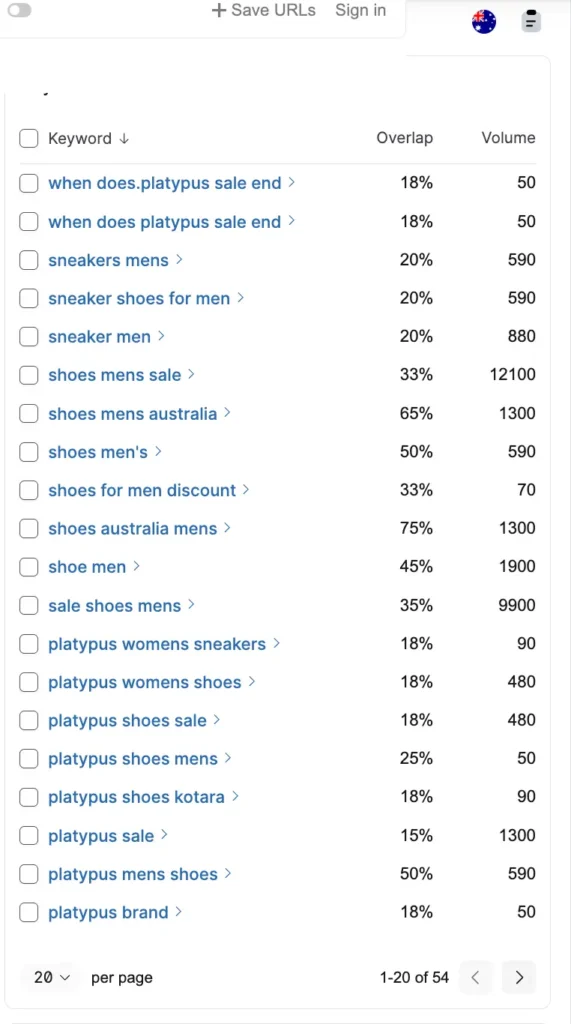
Someone in the UK might search for “trainers” while someone in the US searches for “sneakers.” Someone in Germany might type a completely different phrase into Google than someone in Austria, even though they both speak German, because regional dialects and preferences shift the way people phrase their searches. This is why keyword research has to be done fresh for every market you enter, using tools that let you filter by country and language, not just translating your existing keyword list and hoping it holds up.
Beyond keywords, you also want to understand the buying behaviour in that market. What matters to a customer in Japan when they are deciding to trust a website might be completely different from what matters to a customer in Brazil. That context shapes not just what keywords you target, but what content you build around them.
2. Choosing Your Targeting Method
Once you know which markets you are going after, you need to decide how you are going to structure your site to serve them. This decision usually comes down to three options, ccTLDs, subdirectories, or subdomains, and each one comes with real tradeoffs in terms of cost, SEO authority, and how much control you have over each market.
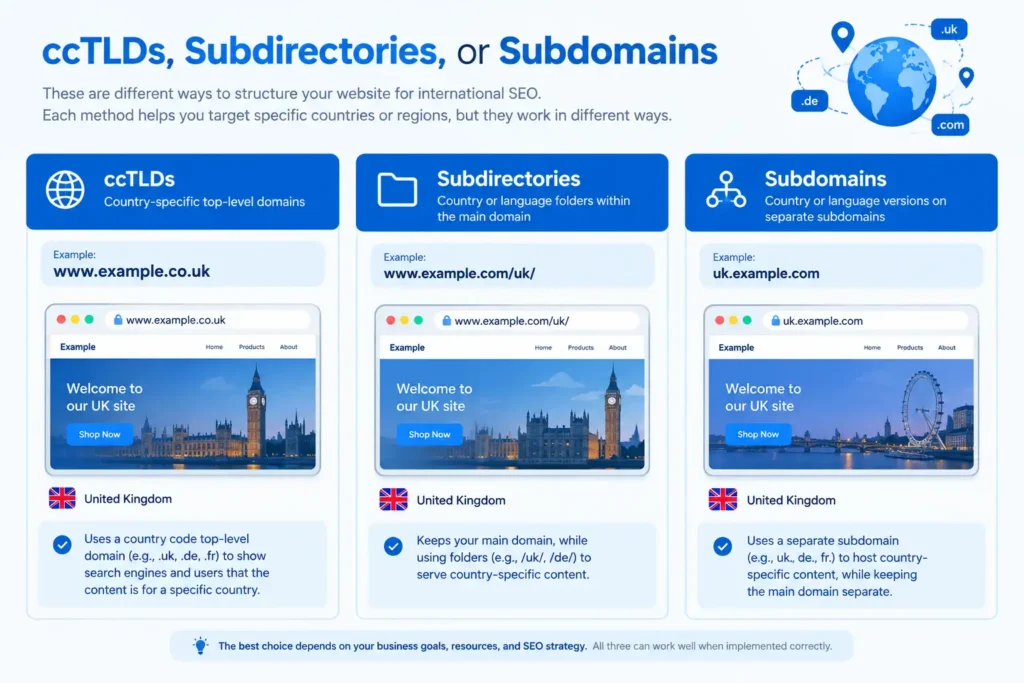
This is a big enough decision that it deserves its own dedicated breakdown later in this guide, but at the strategy level, the key thing to understand is that you cannot skip this step. Your targeting method affects everything downstream, from how you set up hreflang to how search engines interpret which pages belong to which audience.
3. Content Localisation Workflow
This is where a lot of strategies fall apart, not because people do not understand localisation, but because they do not build a repeatable process for it. If every new market requires reinventing the wheel, you will burn out long before you scale to more than two or three countries.
A solid localisation workflow usually looks like this. You start with your best performing content from your home market, since that content has already proven it resonates with an audience and ranks well. From there, you work with a native speaker, not just a translator, someone who understands the cultural context of that market and can adjust tone, examples, and references so the content feels natural rather than converted. Then you review the localised content against local search intent, making sure the headings, structure, and even the examples used still match what people in that market are actually searching for.
The businesses that scale internationally well are the ones that turn this into a system they can repeat for every new market, rather than treating each one as a one off project.
4. Building Local Backlinks and Signals
Even the best localised content will struggle to rank if search engines do not see any local trust signals pointing to it. This means backlinks from websites based in that country, mentions from local publications, and engagement from users who are actually located there.
This part takes patience because you cannot fake local authority overnight. It usually means building relationships with local bloggers, industry sites, or directories in that specific market, the same way you would have built authority in your home market when you were first starting out. Google and other search engines pay attention to where your links are coming from, and a site full of backlinks from your home country sends a very different signal than one with a healthy mix of local and international authority.
Also Read: Off-Page SEO: The Complete Guide to Ranking Beyond Your Website
International URL Structure for SEO
Your URL structure is one of the biggest decisions you will make in your entire international SEO strategy, and unlike a lot of choices you can adjust later without much pain, this one is hard to change once you have built out a market around it. Picking the right structure early saves you a painful migration down the line.
There are three main options, and each one comes with real tradeoffs depending on your budget, resources, and how much control you want over each market.
ccTLD
A ccTLD, or country code top level domain, means using a completely separate domain for each country, like yoursite.de for Germany or yoursite.fr for France. This is the clearest signal you can send to both search engines and users about exactly which country a site is meant for.
The tradeoff is cost and effort. You are essentially managing multiple websites, each with its own hosting, its own SEO authority to build from scratch, and its own maintenance. For a small business or a personal brand, this is usually overkill unless you are targeting a market where local trust in a local domain genuinely makes or breaks conversions.
Subdirectory
A subdirectory structure looks like yoursite.com/de/ or yoursite.com/fr/, keeping everything under one main domain. This is generally the easiest option to manage and it lets every country version benefit from the overall authority of your main domain, since search engines see it as one connected site rather than separate entities.
This is usually the best starting point for most businesses, especially if you are just beginning to expand internationally and do not have the resources to manage entirely separate domains for every market.
Subdomain
A subdomain looks like de.yoursite.com or fr.yoursite.com. It sits in the middle ground between the other two options. It gives you a bit more separation than a subdirectory, which can be useful if you want a country specific team managing that section somewhat independently, but search engines sometimes treat subdomains as slightly separate entities, which means you do not always get the full authority benefit that a subdirectory structure provides.
Here is a quick comparison to help you decide which fits your situation.
For most personal brands and small to mid sized businesses, a subdirectory structure tends to be the practical choice, since it lets you expand without starting your SEO authority from zero in every single market.
Also Read: Multilingual SEO That Actually Gets Your Content Found in Every Language
International SEO Technical Setup
Once you have decided on your targeting method and URL structure, the real technical work begins. This is the part that quietly determines whether everything you have built so far actually works the way it is supposed to, or whether search engines end up confused and your international pages never get the visibility they deserve.
1. Hreflang Implementation
You already know what hreflang does from earlier in this guide, but knowing what it does and implementing it correctly are two very different things. There are three ways to add hreflang tags to your site, and each one has its place depending on your setup.
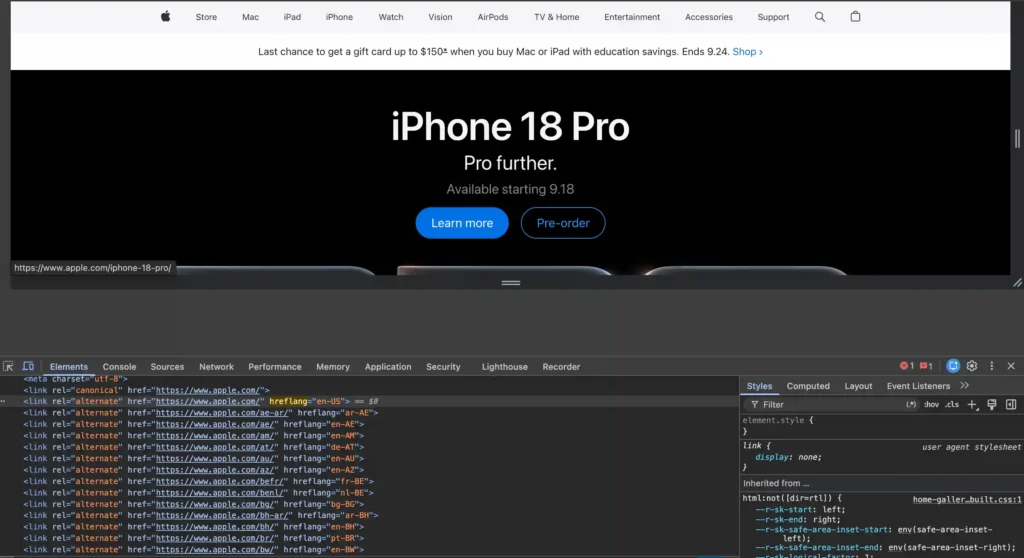
You can add hreflang directly in the HTML head of each page, which works well for smaller sites but gets messy fast once you have dozens of country and language combinations to manage. You can add it through your XML sitemap instead, which keeps your HTML cleaner and is often the more scalable option for larger sites. Or you can implement it through HTTP headers, which is mostly used for non HTML files like PDFs, though it is rare that most businesses need this option.
Whichever method you choose, the tags need to reference every language and country variation of that page, including a self referencing tag pointing back to itself. Miss one reference or get one URL slightly wrong, and search engines may ignore the entire hreflang setup for that page, leaving you back at square one without even realising it.
2. Geotargeting in Search Console
If you are using a subdirectory or subdomain structure rather than separate ccTLDs, Google Search Console lets you manually set a geographic target for each section of your site. This tells Google explicitly which country that section is meant for, which is especially useful when the structure alone does not make it obvious.
This step gets skipped constantly, mostly because people assume hreflang alone is enough. It helps, but geotargeting in Search Console adds another clear signal that removes ambiguity, especially in the early days before your international pages have built up their own ranking history.
3. CDN and Server Location Considerations
Page speed matters everywhere, but it matters even more when your server is sitting on one side of the world and your audience is on the other. If your main server is in the US and someone in Australia is trying to load your site, that physical distance adds real load time, and that delay affects both user experience and how search engines evaluate your site’s performance in that region.
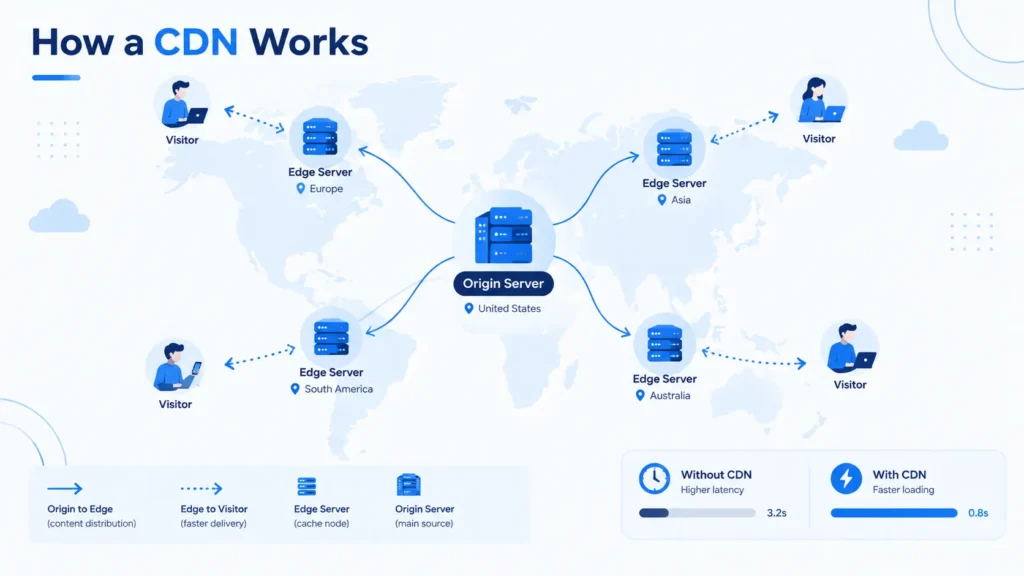
A content delivery network solves this by caching your site’s content on servers located closer to your international audience, so pages load quickly no matter where someone is accessing them from. This is one of those technical details that is easy to overlook because it does not feel like traditional SEO work, but it directly impacts rankings and conversions in every market you are trying to reach.
4. Avoiding Duplicate Content Across Regions
Here is a mistake that trips up even experienced SEO practitioners. If you have English content for the US, English content for the UK, and English content for Australia, and that content is nearly identical aside from a few localised tweaks, search engines can flag it as duplicate content, which weakens all versions instead of strengthening any of them.
Hreflang tags help clarify that these pages are intentional regional variations rather than accidental duplicates, but the safest approach is still making sure each version has genuinely distinct value, whether that is different examples, different pricing context, or content adjusted enough that it clearly serves that specific audience rather than reading like a copy paste job with a different flag in the corner.
Also Read: Local SEO Guide and Why the Businesses Down the Street Are Beating You on Google
Measuring International SEO Performance
Building out your international pages is only half the job. If you never check whether any of it is actually working, you have no way of knowing which markets are worth doubling down on and which ones need a completely different approach. This is the part that turns international SEO from guesswork into something you can actually manage and improve over time.
GA4 by Region
Google Analytics 4 lets you break down your traffic, engagement, and conversions by country, which becomes essential once you have more than one market live. Instead of looking at one blended number for your entire site, you want to see how each region is performing on its own, since a market that looks disappointing in your overall numbers might actually be growing steadily once you isolate it.
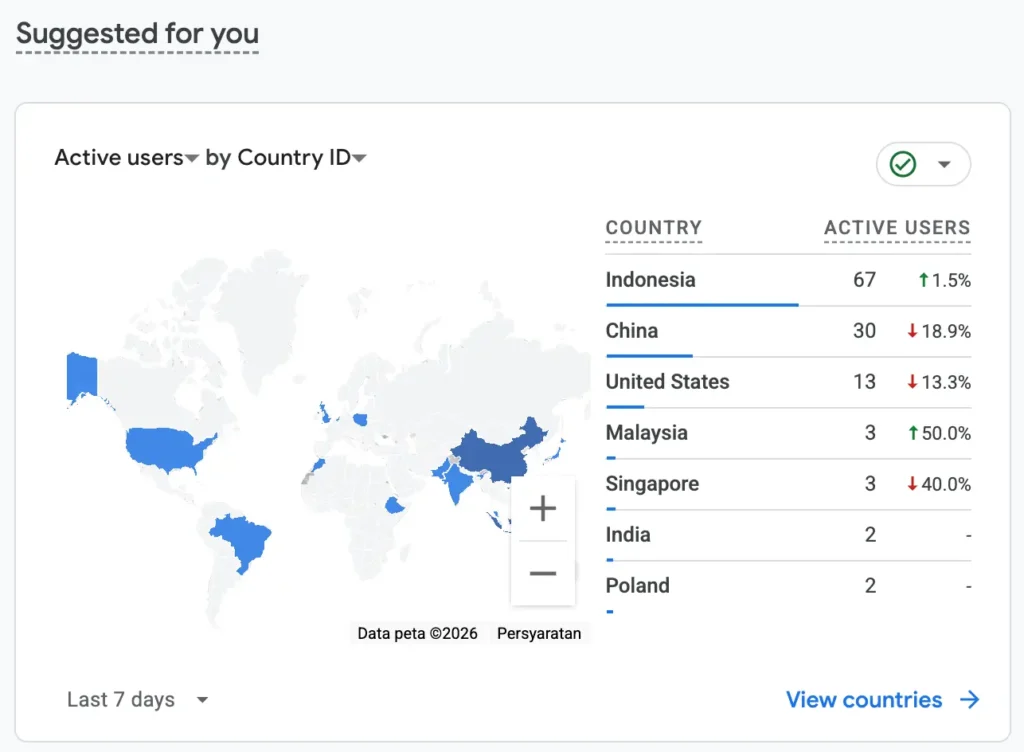
Pay attention not just to traffic volume but to engagement rate and conversion rate by country. A market that sends fewer visitors but converts them at a much higher rate might be more valuable to invest further in than a market with high traffic but almost no one actually buying or signing up.
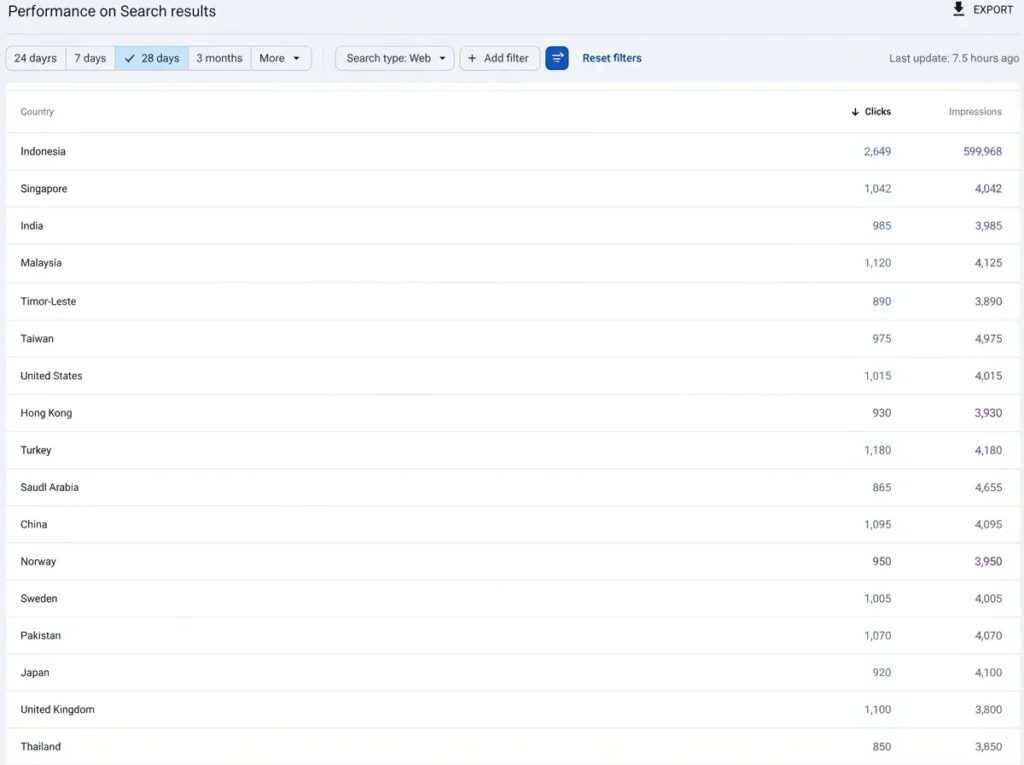
Search Console Performance by Country
Search Console gives you a country filter that shows exactly how your site is performing in search for each specific location, including impressions, clicks, and average position. This is where you find out whether your hreflang setup and targeting decisions are actually translating into visibility, or whether something in the technical setup is quietly holding a market back.
Checking this regularly also helps you catch problems early. If a country that used to show healthy impressions suddenly drops off, that is often the first sign that something broke in your hreflang implementation or that a page got deindexed in that region, long before you would notice it through any other metric.
Rank Tracking Across Markets
Generic rank tracking tools often default to tracking your home country, so you need to make sure you are specifically tracking keyword rankings in each target market and, where relevant, on the specific local search engine that market actually uses. Tracking your rankings in Germany on Google.com does not tell you much if most of your target audience there is searching on Google.de with different results.
Watching these rankings over time also helps you understand how long it realistically takes for a new market to gain traction. International SEO rarely produces overnight results, and having a clear rank tracking history for each country helps you set realistic expectations and know when a market genuinely needs more work versus when it just needs more time.
Also Read: The Complete Guide of Canonical Tags to Fixing Duplicate Content Issues
International SEO Checklist
Going through this checklist section by section is the fastest way to catch the gaps most businesses miss when they expand internationally, whether that is a missing hreflang reference, an untracked market, or content that was translated but never truly localised. Work through it at your own pace, and use it as a final gut check before you consider any new market fully launched.
Where Tsabit Fits Into Your International SEO Strategy
International SEO is not something you set up once and walk away from. It is a living part of your strategy, one that shifts as new markets open up, as competitors move in, and as your business grows into audiences you had not planned for a year ago. If you have made it this far through the guide, you already know there are a lot of moving pieces to manage well, from hreflang tags to targeting decisions to keeping every regional version genuinely localised rather than just translated.
The good news is, you do not have to manage all of it alone. At Tsabit Insight, I provide freelance SEO expert services built around exactly this kind of process, helping you choose the right targeting method, set up hreflang correctly, and build content that actually resonates with each market rather than reading like a copy paste job with a different flag in the corner. Every project starts with understanding your goals and the markets you are trying to reach, the same way this guide does, before any technical setup or tool gets involved.
Whether you are expanding into your first new market or trying to fix an international setup that never quite took off, the approach stays grounded in what genuinely drives results in each region, not just what looks correct on paper. If you are looking for a reliable freelance SEO specialist to guide your international expansion in the right direction, get in touch to discuss your project and discover how Tsabit Insight can help your business grow across borders through smarter, more targeted search visibility.

FAQ